Mouseion · Dedicated to Children's Reading Culture Services 62 Bailongjiang West Street, Jianye District, Nanjing · 2F, Tonglefang, Yanlord Riverside City | 025-85710168
Free Trial Lesson
Mouseion Reading Workshop

Let every child
be able to read a book independently

Mouseion is an education institution focused on English-language original reading, offering reading guidance mainly in small groups and one-to-one for children aged 2–12. Through a curriculum progression of eight stages, M0–M7, we help children improve reading comprehension, critical thinking and expression, and learning autonomy.
Over 20,000 English-language original books Eight stages, M0–M7 Open since 2019
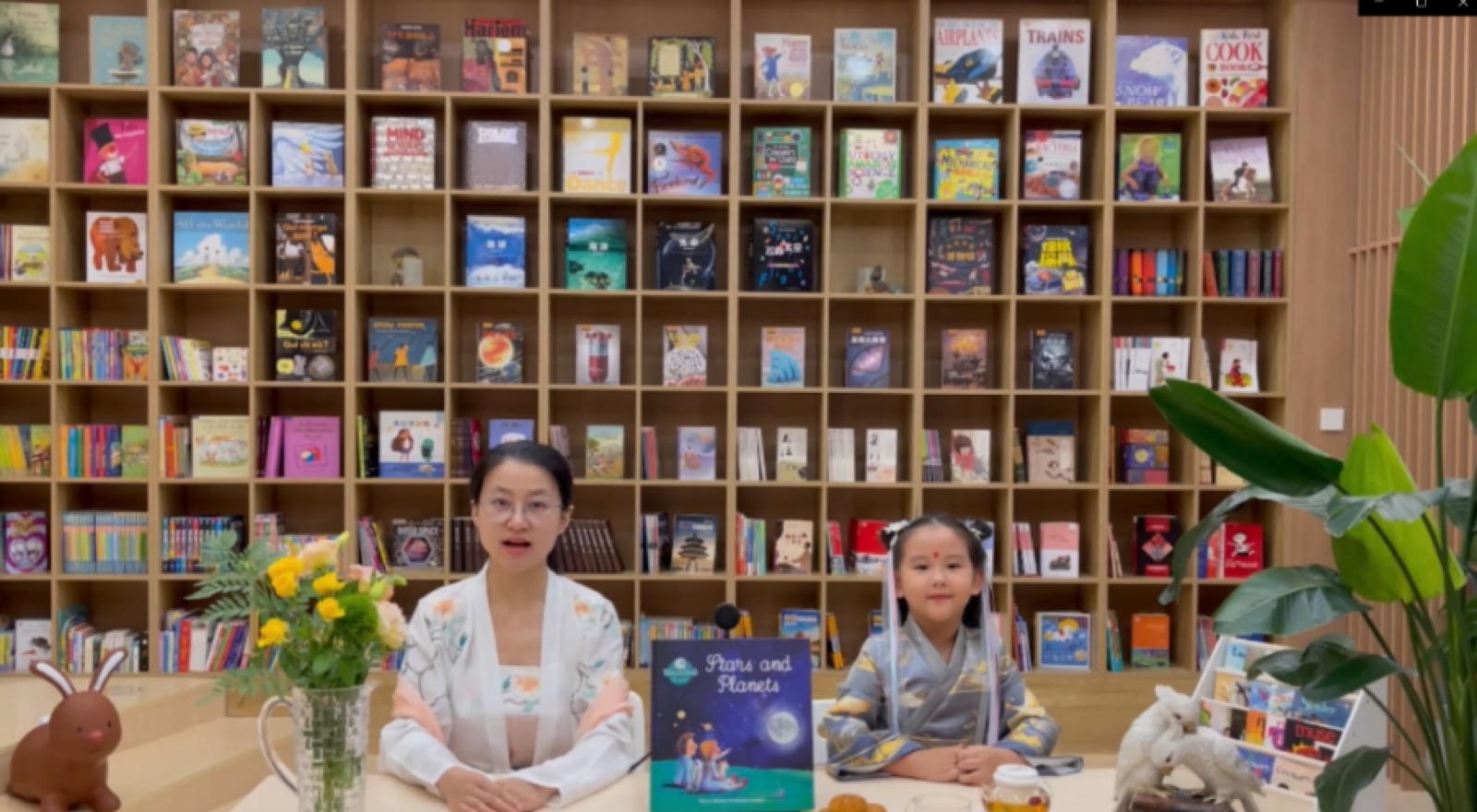
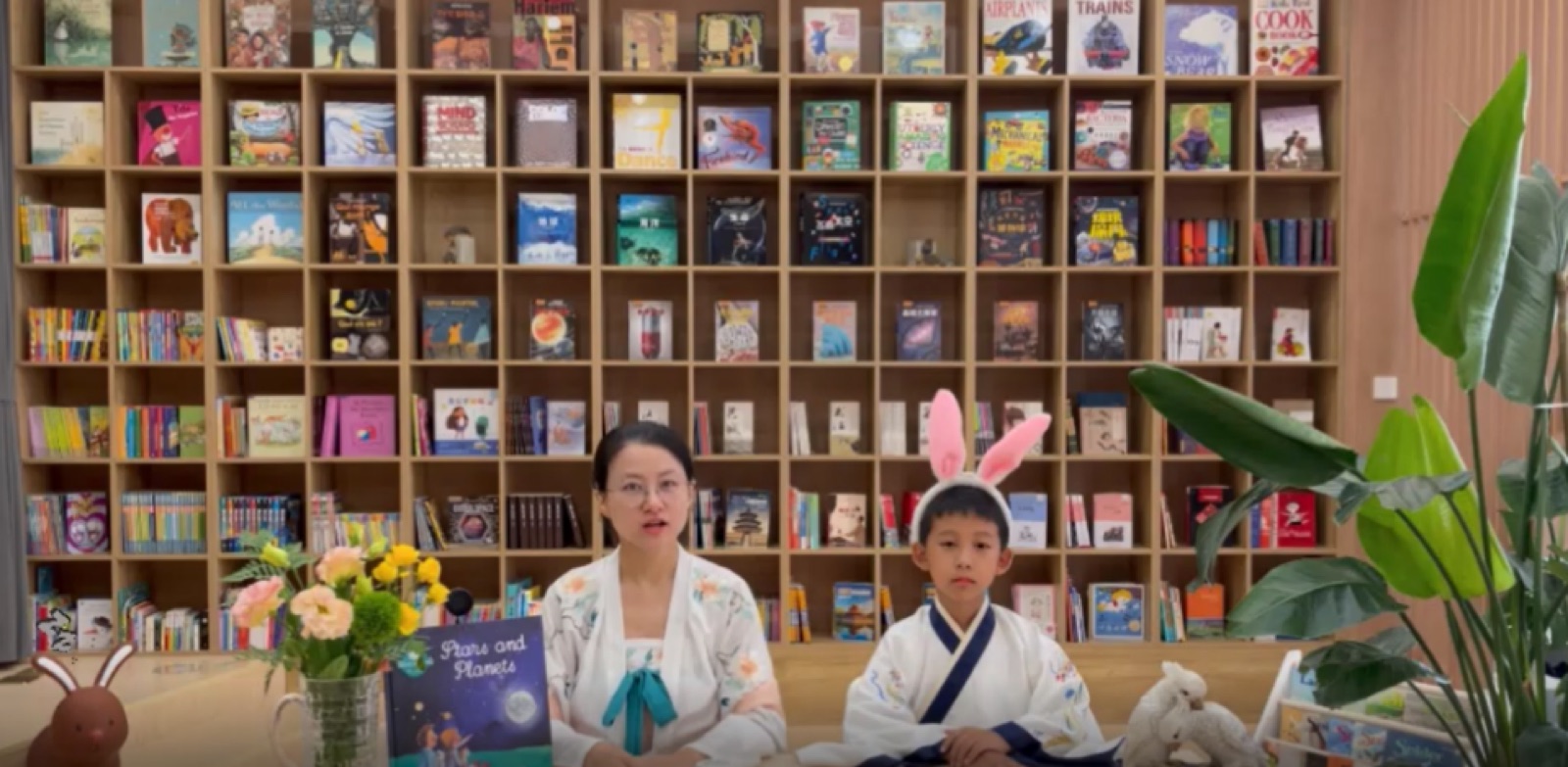
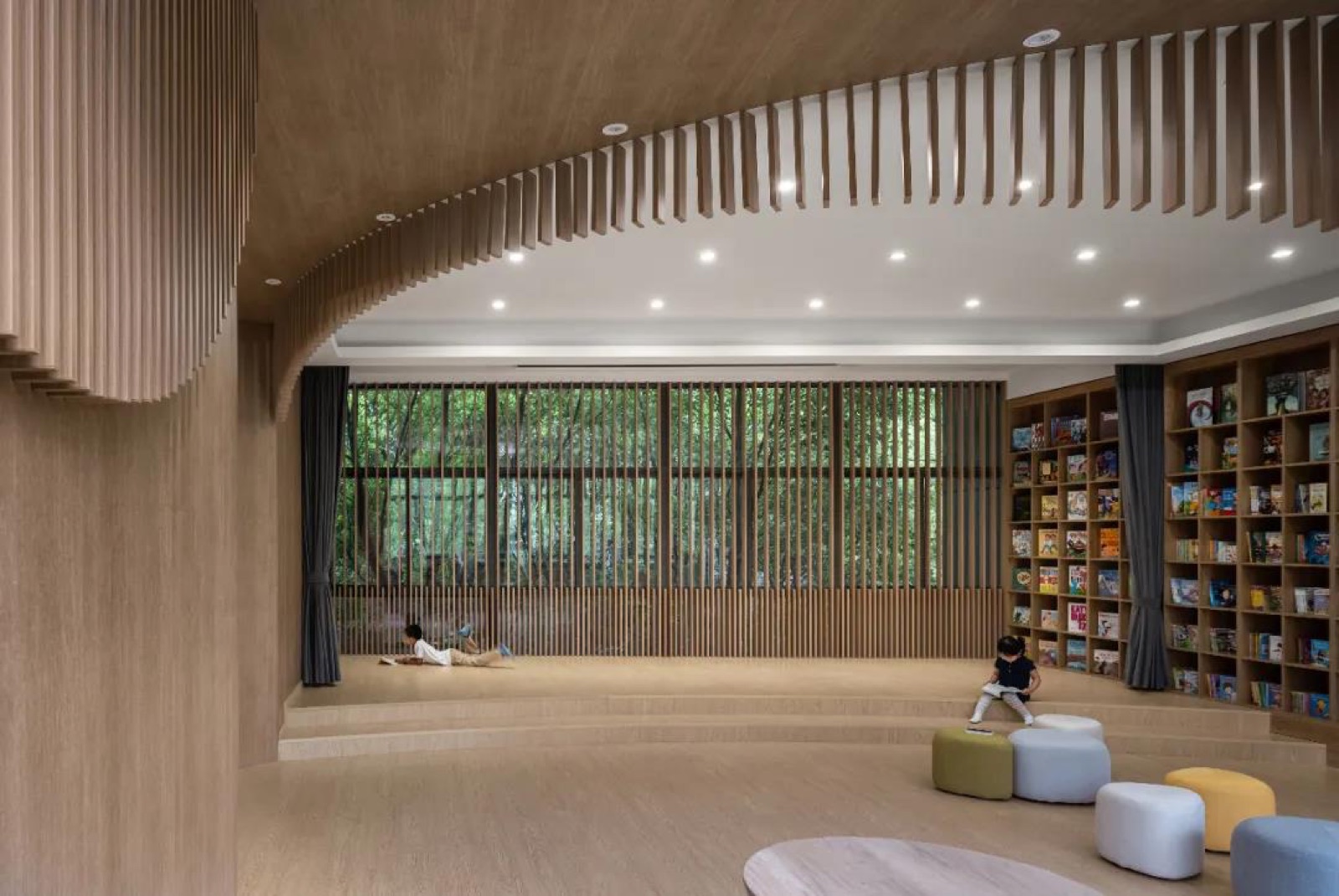
The reading space and bookshelves at Mouseion
8growth stages
20,000+original books
100+reading events
2019 onwards Jiangwancheng Children's Reading Centre completed
20,000+ copies English-language original books, across four reading domains
8 Stages M0–M7, from age 2 to 12
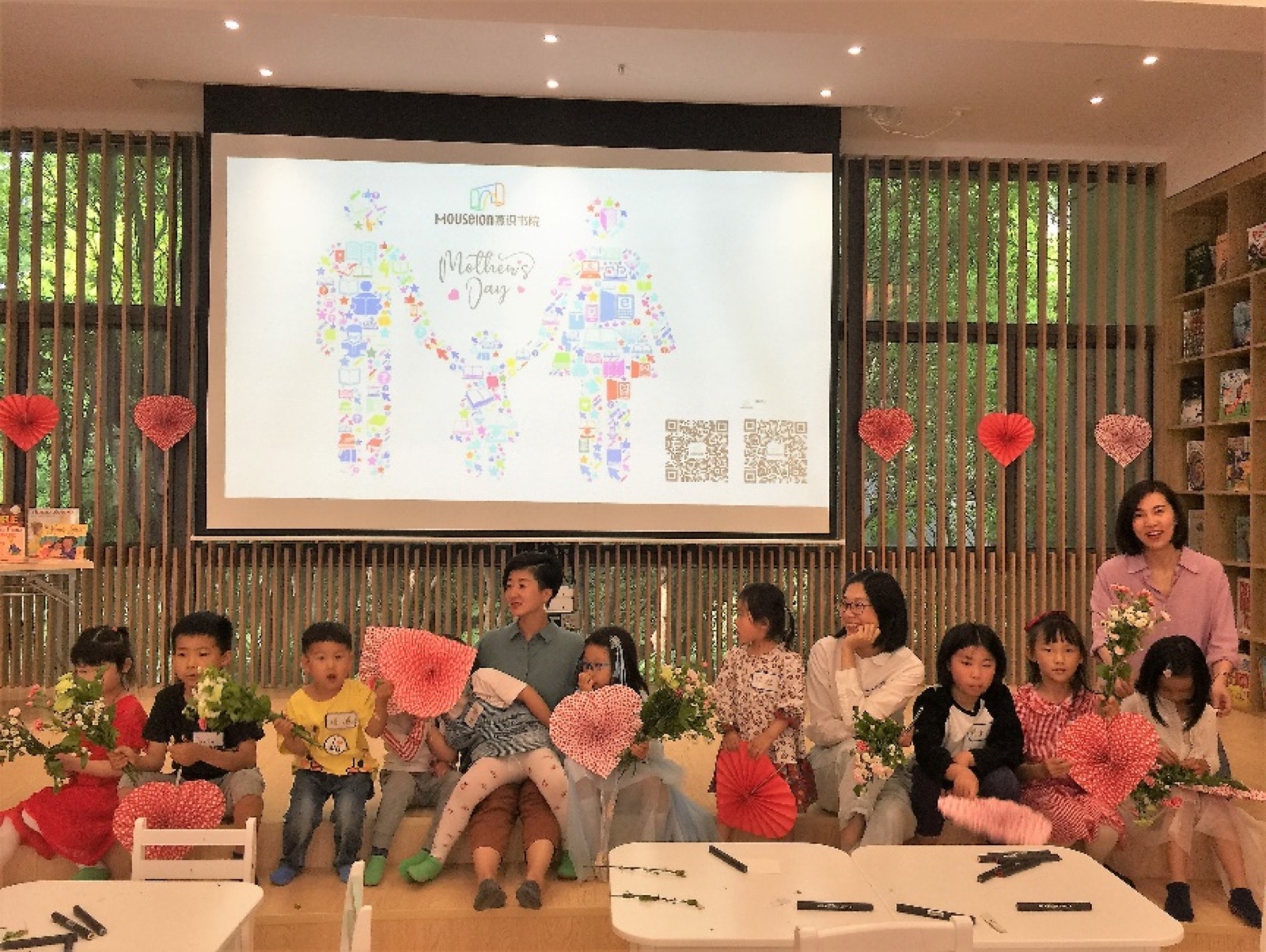
10,000+ visits Taken part in Mouseion book fairs, lectures and charity reading events
Methods · Teaching Philosophy

Reading drives all-round ability

Mouseion's core method is "differentiated guided reading": readers read by their own choice, at their own pace, and discuss with others, share their reading reflections, and focus on developing particular reading skills or key concepts.

From the same book we draw out different points of interest and angles; visual, auditory and kinaesthetic elements are fully woven into the classroom, and children have ample opportunities for group discussion, presentations, activities and games, engaging multiple senses together in learning.
A young reader choosing a book at the bookshelf
Not One-Size-Fits-All

Matching books to multiple intelligences

Human intelligence comprises eight kinds: bodily-kinaesthetic, logical, spatial, intrapersonal, naturalistic, interpersonal, linguistic and musical. We match each child with books that suit their interests and language level.

"The way to make a child wise is to read, read, and read again."

— V. A. Sukhomlinsky
Classroom · Mouseion Classroom

Reading, assessment and camps, three strands moving together

Offline small-group reading workshops, reading ability assessment, and holiday and online reading communities, covering children's reading time after school and during holidays.

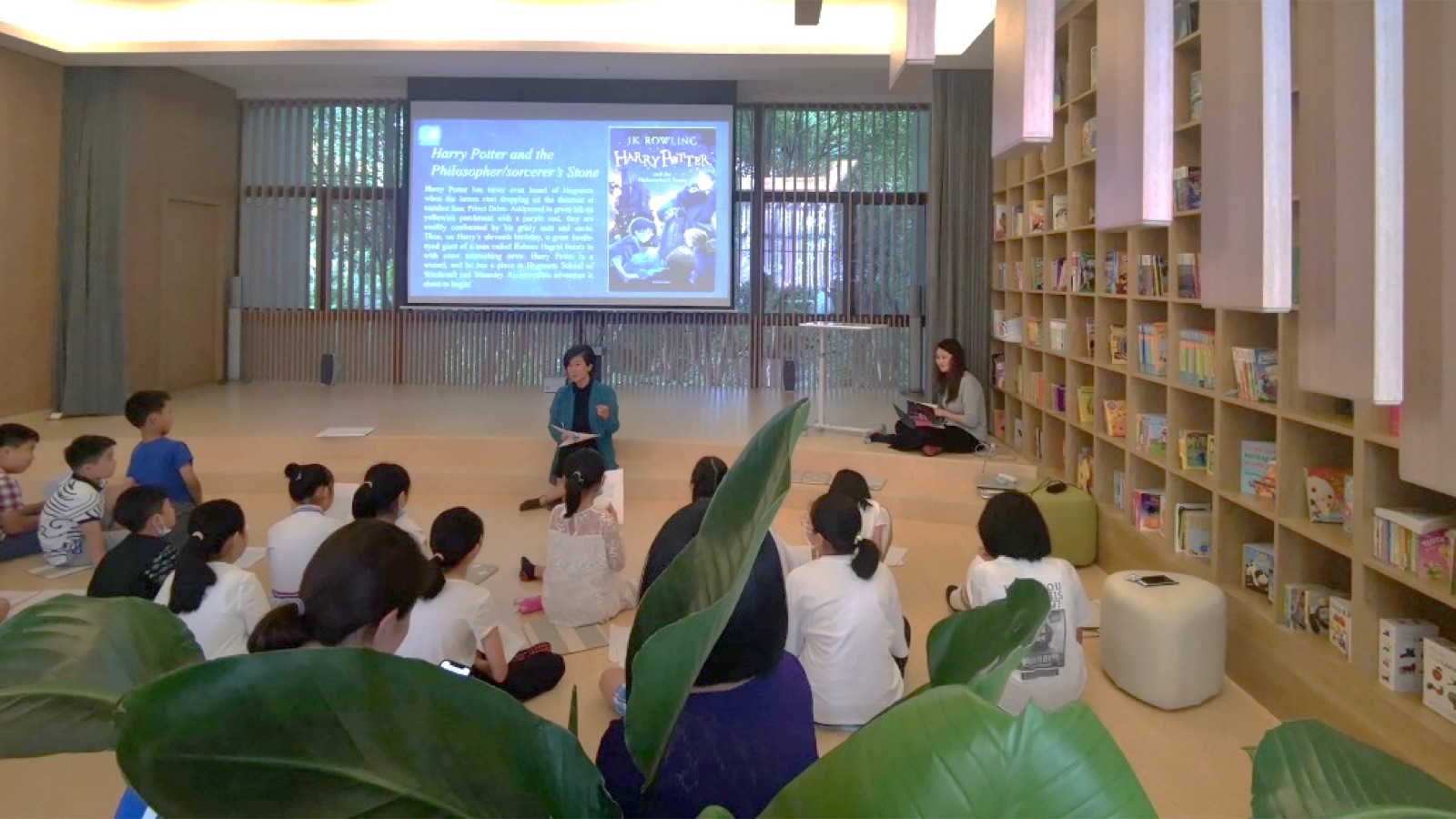
Shared reading time
Offline Class

English Reading Workshop

Child-centred small-group reading classes: read-aloud, guided reading, shared reading and independent reading, building a sense of achievement at the right level of difficulty.

Learn more
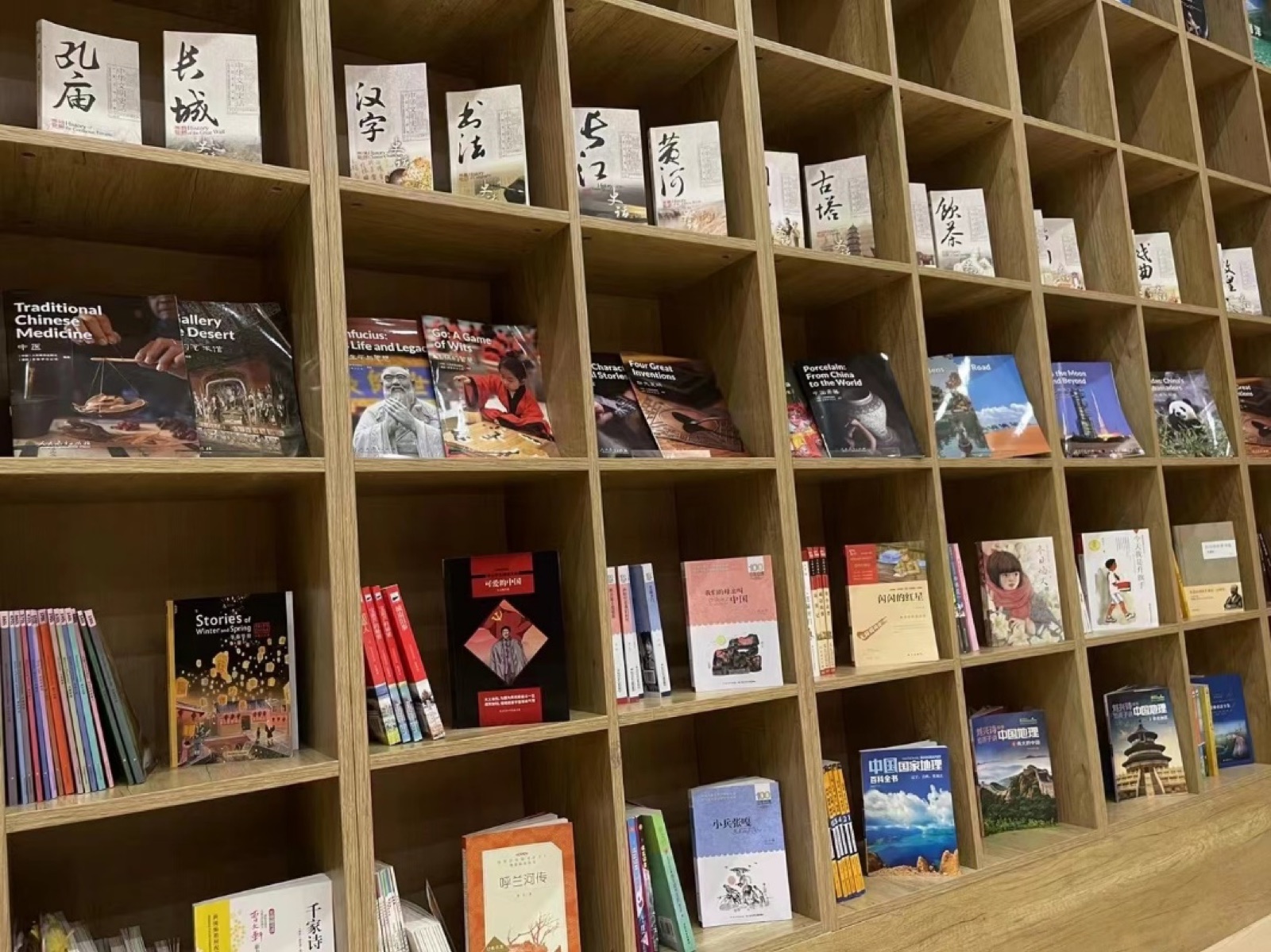
Display of English-language original books
Placement

Reading Ability Assessment

Mentor interview + unseen text + oral phonics + writing sample, with starting-point advice and a draft reading plan on the same day.

Learn more
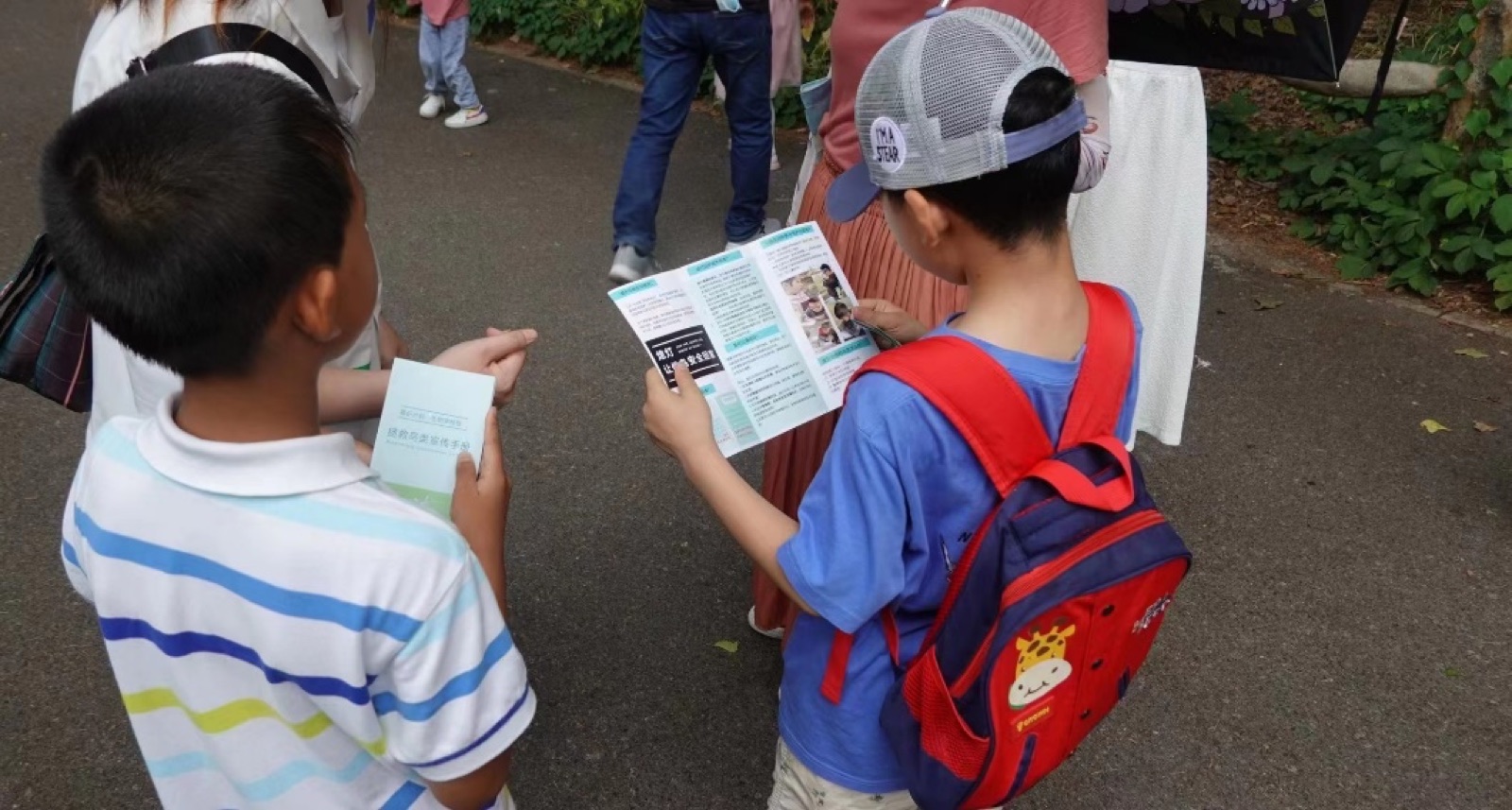
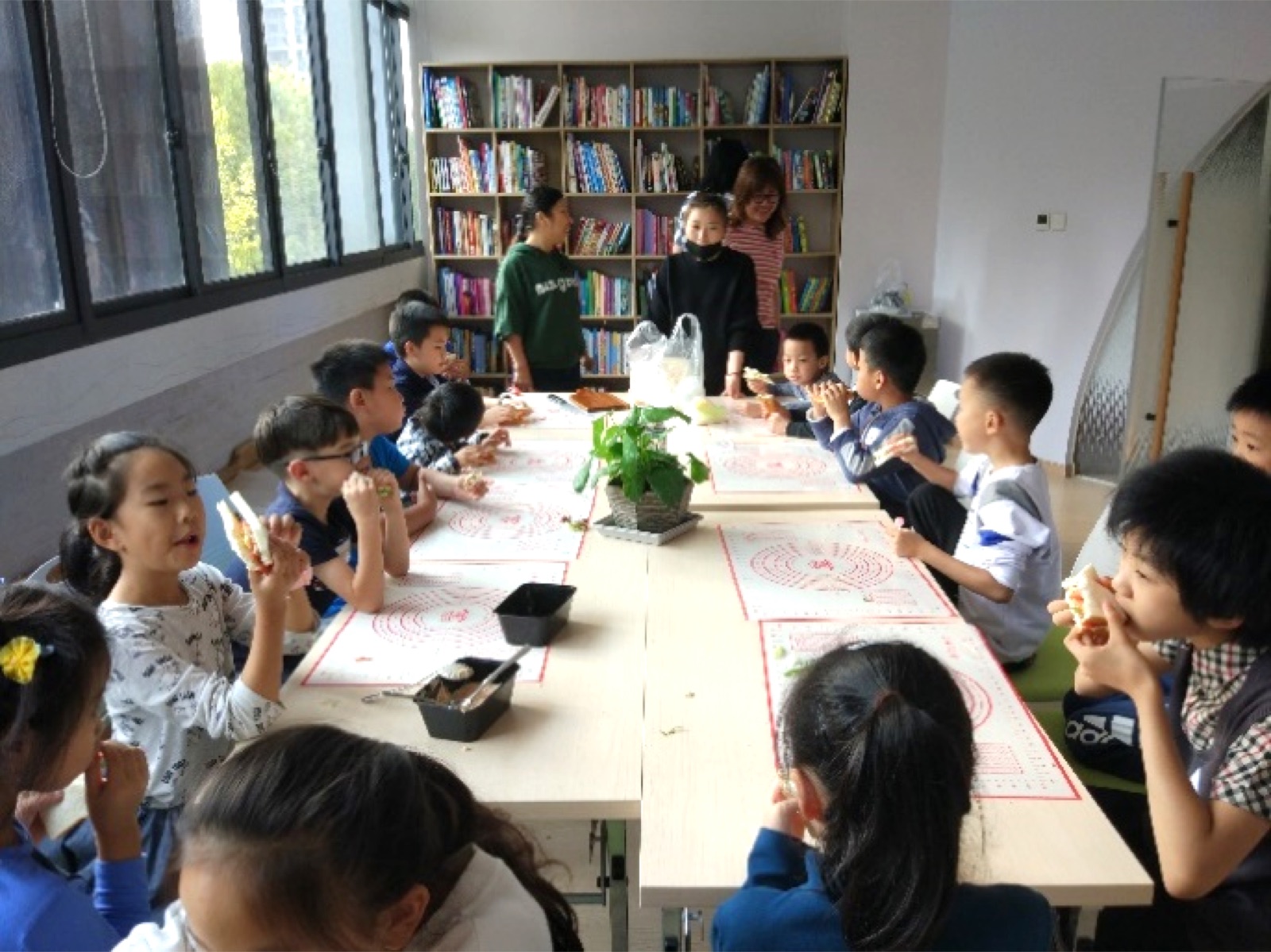
Scene from a holiday camp
Holiday & Online

Holiday Camps & Reading Community

National Geographic graded reading packs, an English baking camp, a 30-country Reading Journey Around the World, and a 14-day online challenge.

Learn more
Curriculum · Course System

Core Track and Enrichment Courses

Mouseion uses original resources such as National Geographic Learning (NGL), and through a curriculum progression of eight levels, M0–M7, across three stages, helps children master advanced English reading skills; it also offers a range of enrichment courses to complement individual skills and broaden interests.

Core Track · Three Stages, Eight Levels

Stage 01

Interest & Shared Reading · Foundation

M0M1
  • GoalWilling to listen, look and respond, expressing complete sentences around familiar topics
  • Rhythm45–60 minutes per session, 2–3 times a week
  • MilestonePhonics and meaning foundation → starting Pre-A1
Stage 02

Phonics & Comprehension · Progression

M2M3M4
  • GoalMoving from "can read it out" to "can understand it", comparing cause and effect, extracting themes and writing paragraphs
  • Rhythm90 minutes per session, twice a week, about one academic year per stage
  • MilestonePre-A1 consolidated → starting A1 → A1 consolidated
Stage 03

Academic & Critical Thinking · Advanced

M5M6M7
  • GoalFinding evidence in texts, synthesising across texts, researching independently and expressing ideas clearly
  • Rhythm90–105 minutes per session, twice a week, about 30 teaching weeks per stage
  • MilestoneA1 academic transition → A2 → B1

Level Details

M0First Encounters · ages 2–3 · 45 min/session · phonics and meaning foundation
M1Themed Shared Reading I · ages 4–5 · 60 min/session · starting Pre-A1
M2Themed Shared Reading II · Phonics Bridge · ages 5–6 · 90 min/session · Pre-A1 consolidated / transitioning to A1
M3Exploratory Reading I · ages 6–7.5 · 90 min/session · starting A1
M4Exploratory Reading II · ages 7.5–9 · 90 min/session · A1 consolidated
M5Academic Reading I · ages 9–10 · 90–105 min/session · A1 academic transition
M6Academic Reading II · ages 10–11 · 90–105 min/session · A2
M7Academic Reading III · ages 11–12 · 90–105 min/session · B1

* M5–M7 are estimated at "10 units per stage, about 6 lessons per unit": about 60 lessons / 30 teaching weeks / 90–105 hours; the final figure depends on the actual number of units and the pace of progress. Ages are suggested ranges; the starting point is determined by assessment and portfolio evidence.

Enrichment Courses · Eight Course Types to Complement Individual Skills and Broaden Interests

01

Reading in Natural Science

Built on the National Geographic Learning series, with themed reading around Earth, life and physical science.

02

Holiday Graded Reading Pack

Nearly a thousand NGL titles, matched to cognitive levels by the series' native grading, for intensive progress during holidays.

03

Kids Coding

Foundation (Scratch), application (Python), algorithms (C++ and data structures), and competition training camp.

04

AI Design

Children design their own AI learning assistant by hand, understanding how technology is changing the way we learn.

05

English Baking Camp

Making real, delicious cookies in an English-language classroom, with immersive English tasks and teamwork.

06

Reading Journey Around the World

Thirty countries, one country a day, setting off on a wonderful journey around the world through reading.

07

Readers Theatre

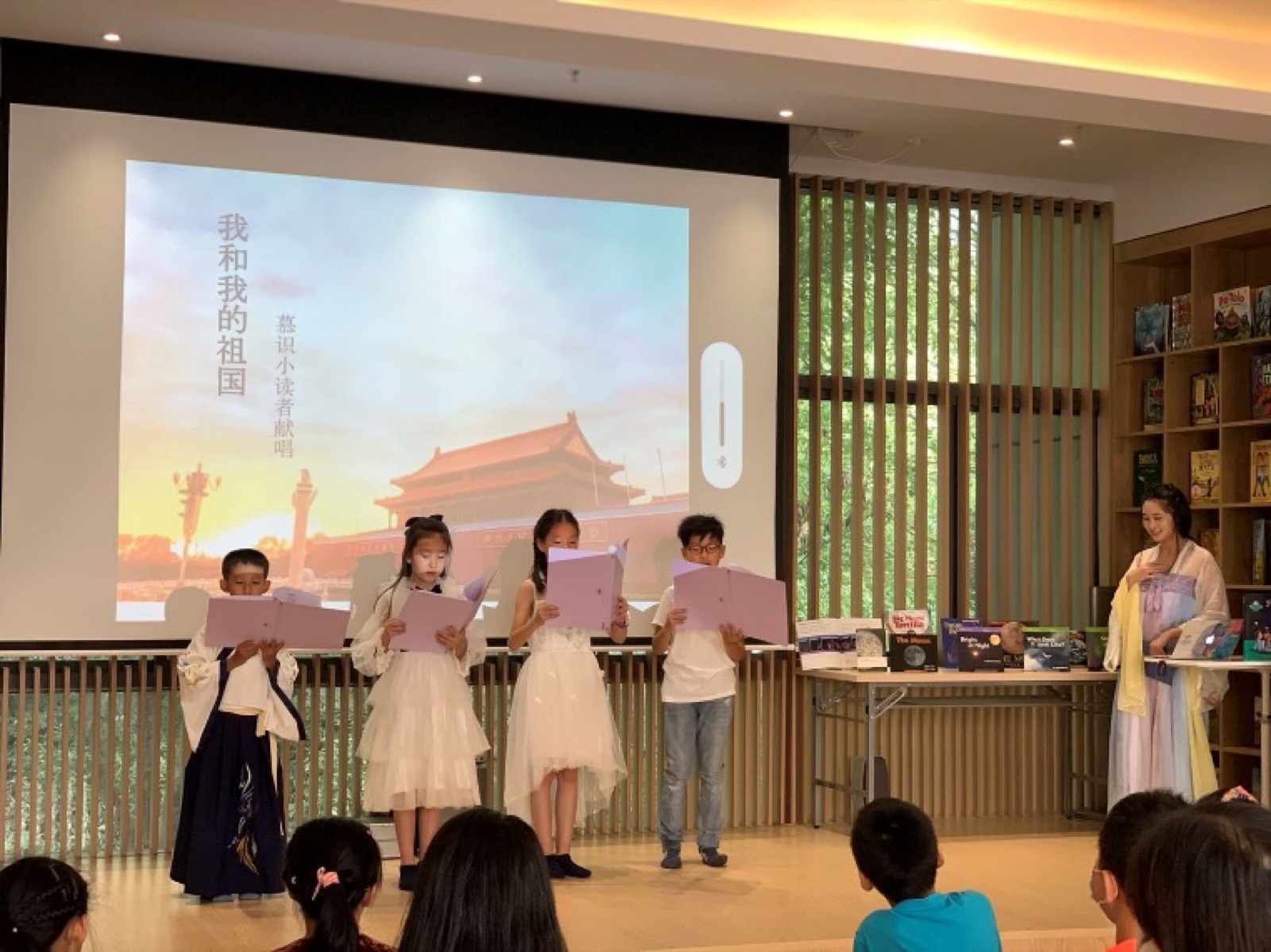
Telling stories through performance, with emotional expression and scene acting happening at once.

08

Family Science Expedition Camp

Exploring the mysteries of glaciers with scientists and glaciologists; in partnership with the Northwestern University Center for Talent Development (CTD) youth camp.

Space · Our Space

Over 20,000 books, and a white book tower that lights up

Space & Accolades
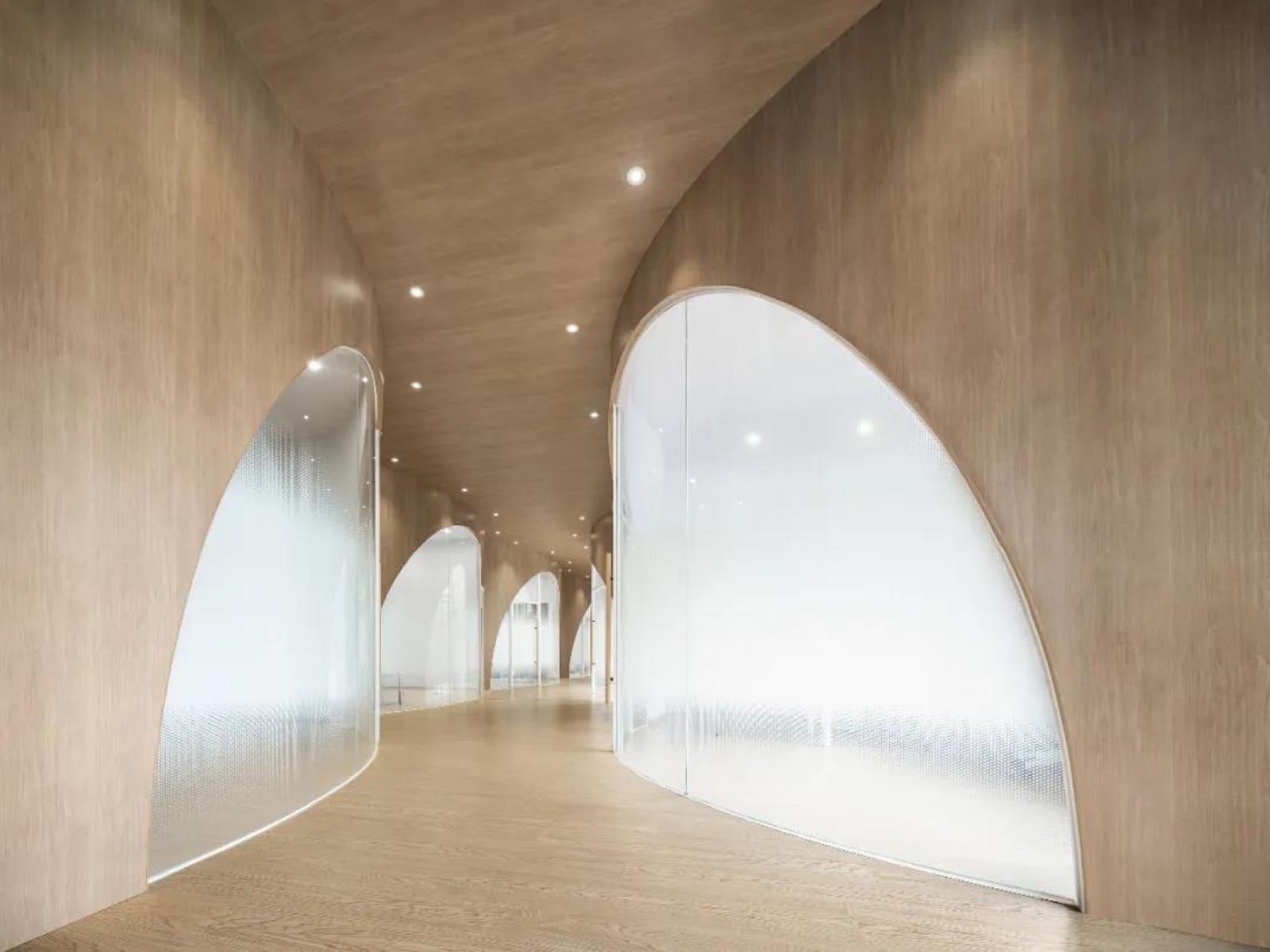
Reading space and bookshelvesReading Space
Reading tables and natural lightReading Tables & Natural Light
Bookshelves and reading cornerBookshelves & Reading Corner
Reading roomReading Room
Shared reading areaShared Reading Area
The curves and structure of the spaceCurves of the Space
FAQ · Parent FAQ

The things parents care about most before enrolling

My child has no foundation at all — can they join?
Yes. The M0–M1 stages are designed specifically for children aged 2–5 with almost no English reading experience; the focus is on interest and the connection between sounds and meaning, with no requirement for pen-and-paper work or memorisation.
How do the courses differ from English classes at school?
School classes focus mainly on the progress of a textbook; Mouseion focuses mainly on reading ability with real English-language originals. We use unseen texts, phonics transfer and portfolio evidence to test whether a child can truly use the language, rather than looking only at the accuracy rate of exercises.
How many children are in a class? How are teachers assigned?
Mainly small groups and one-to-one guidance, grouped by reading ability rather than by age alone. Exact class sizes and mentor arrangements are subject to the course briefing at your visit.
How can I tell whether my child has really made progress?
Look at four types of evidence: can read it, can explain it, can write it, and can apply it to a new text. We keep before-and-after recordings, reading responses and representative writing, and review them together with parents at the stage review.
Do children move up a level simply because of their age?
Not necessarily. Age determines whether the content and classroom organisation are appropriate; reading ability, language status, psychological readiness and independence together determine the starting point. Skipping a level or accelerating must be supported by unseen texts and portfolio evidence.
Booking · Free Appointment

Book a visit and see your child's starting point clearly first

A visit lasts about 60 minutes: your child takes part in an English-language reading experience, parents have a 15-minute interview with a mentor, and starting-point advice is given on the same day.

Or call us directly 025-85710168 · 180 6168 1356

Call us Free Trial Lesson